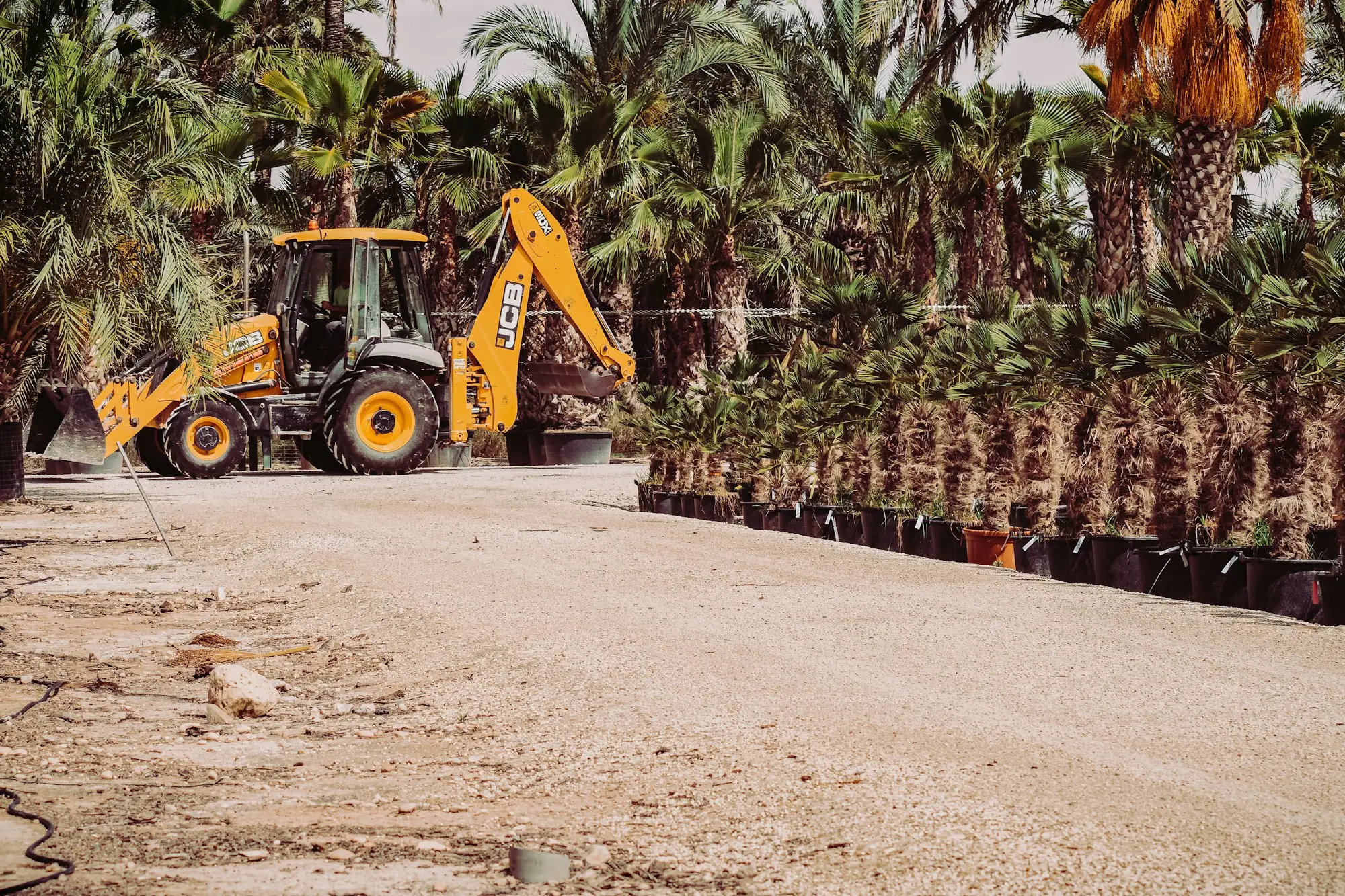
Quick answer
Machinery finance funds heavy and specialised equipment such as excavators, loaders, tractors, harvesters, cranes and production lines, usually with the machine itself as security. New, used and auction purchases can be financed, and agricultural lenders may offer seasonal repayment structures. Lenders look at the machine's value and resale market, the operator's experience and the work it will do.
Key points
- Covers earthmoving, agricultural, construction and manufacturing machinery.
- The machine usually secures the loan.
- Auction and private purchases are often possible.
- Seasonal repayments may suit farm businesses.
- Also called
- Earthmoving, yellow goods, farm machinery finance
- Security
- The machinery
- Structure
- Chattel mortgage, lease, hire purchase
- Suits
- Civil, farming, construction, manufacturing
What counts as machinery?
On this directory, “machinery” means heavy or specialised equipment that does physical work: excavators, skid steers, graders, rollers and cranes for civil and construction; tractors, harvesters, sprayers and balers for farms; and CNC machines, presses and packaging lines for manufacturers. Lighter gear is covered on equipment finance.
What lenders look at
| Area | What matters |
|---|---|
| The machine | Make, model, hours, age, condition, resale market |
| Supplier | Dealer, auction or private seller |
| The operator | Experience and track record |
| The work | Contracts, hire arrangements or farm output |
Machines with strong second-hand markets, like popular excavator models, are easier to fund because the lender knows they can be resold.
Buying at auction
Auctions can offer value, but they move fast. Arrange finance approval before you bid, understand the auction’s settlement terms and check the machine’s PPSR status. Inspect it yourself, or have someone qualified do so.
Repayments that suit the work
Machinery used on contracts can be financed with repayments matched to contract income. Farm machinery may suit seasonal repayments around harvest. See rural and farm business loans for more on agricultural lending.
Got a machine in mind? Tell us about it.
An illustrative example
A civil contractor wins a subdivision job requiring an additional excavator. Machinery finance funds a late-model used machine, with repayments covered by the job’s progress claims. (Illustrative only.)
What else is machinery finance called?
Lenders, accountants and search engines don’t all use the same words. You’ll also see this entry described as Earthmoving finance, Yellow goods finance and Farm machinery finance. In our A–Z index every one of those names points back to this page, so whichever term you searched, you’ve landed on the same thing. If a lender uses a name you don’t recognise, ask them to describe how the security, the term and the repayments work; that tells you far more than the label.
Where does it sit in the directory?
This entry lives on the trade, stock and asset shelf. It’s most often used for equipment and vehicles, and the security usually involved is the asset being bought. It is one of the quicker entries to put in place when the paperwork is ready. Its closest neighbours are:
- Equipment finance — Spread the cost of machines, tools and tech over their working life.
- Business vehicle finance — Cars, utes and vans for the business, with the vehicle as security.
- Truck finance — Rigid trucks, prime movers, tippers and trailers — new or used.
- Chattel mortgage — You own the asset from day one; the lender holds a security interest over it.
To compare all of them at once, filter the Loan Finder by purpose and security.
Common mistakes to avoid
- Choosing the structure before talking to your accountant. Chattel mortgage, hire purchase and leases are treated differently for GST and tax.
- Stretching the term past the asset’s useful life. Paying for something you’ve already replaced is the most common equipment finance regret.
- Skipping the PPSR search on used gear. A quick search confirms nobody else has a security interest over the asset you’re buying.
- Setting a balloon you can’t meet. A big final payment lowers repayments now but needs a real plan for later.
- Forgetting running costs. Insurance, servicing, registration and fuel all sit on top of the repayment.
What should I ask before signing up for machinery finance?
A short list of questions saves a lot of regret. Put these to any lender or specialist before you commit:
- Is the price including or excluding GST? It changes the amount financed and the GST credit you might claim.
- What age limit applies at the end of the term? Older assets may need shorter terms or a deposit.
- Is there a balloon, and can I change it? Set it to suit how long you’ll keep the asset.
- What insurance is required? Lenders usually require comprehensive cover with their interest noted.
- Can I pay out early? Ask how payout figures are calculated before you commit.
If an answer is vague, ask again or ask for it in writing. Good lenders are happy to explain their terms clearly.
Put the right machine to work
If your business needs heavy equipment, finance from a lender that knows machinery can make the purchase straightforward. There’s no credit check to enquire, and your details aren’t fired off to a list of lenders.
Please tell us the machine, price, hours, seller and the work it’ll do. Accurate details mean a quick answer. Start your enquiry.
Frequently asked questions
Can I finance machinery bought at auction?
Often yes, but arrange approval before the auction so you know your limit and can settle within the auction's payment terms.
Are seasonal repayments available?
Some lenders offer repayments that match harvest or contract cycles, especially for agricultural machinery.
How old can used machinery be?
Lenders set age limits that vary by machine type. Well-maintained machines with strong resale markets are easier to fund.
Can I finance attachments too?
Yes. Buckets, hammers, augers and other attachments can usually be included.